

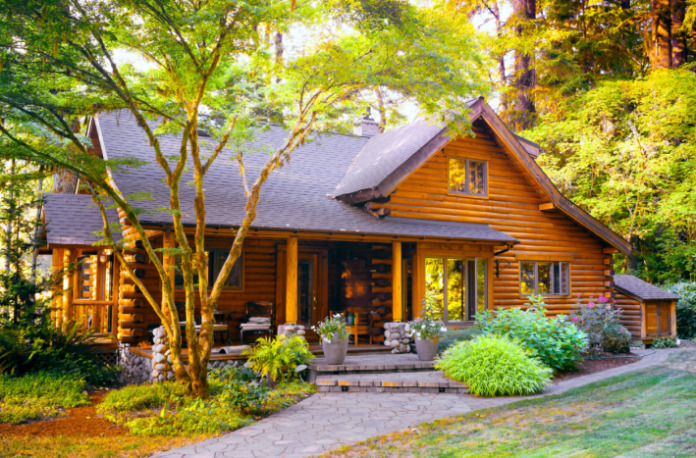
Log cabins have long captivated the imagination, standing as iconic symbols of rustic charm and timeless beauty. Their unique blend of functionality, craftsmanship, and natural aesthetics has made them a beloved choice for homeowners and vacationers alike. This article delves into the history of log cabins, explores their design principles, and highlights their enduring appeal in contemporary architecture.
A Historical Perspective: The Origins of Log Cabins
The history of log cabins dates back centuries, with roots tracing to ancient Scandinavia and Eastern Europe. Early settlers in these regions utilized abundant timber resources to construct simple, durable homes that could withstand harsh climates. The log cabin emerged as an efficient solution, showcasing the ingenuity of these early builders.
In North America, log cabins gained prominence in the 17th and 18th centuries, particularly among European settlers. These pioneers adapted traditional European building techniques to the rich forests of the New World, creating a style that would become synonymous with frontier life. The first American log cabins were often one-room structures, serving as both shelter and a gathering space for families. Over time, as communities grew, log cabins evolved into larger, more sophisticated homes, incorporating features such as porches and multiple rooms.
The Design Elements of Log Cabins
Materials and Construction Techniques
At the heart of every log cabin lies its primary material: logs. The choice of wood significantly influences the cabin’s aesthetics and structural integrity. Common types of timber used in log cabin construction include cedar, pine, and fir, each offering unique characteristics in terms of durability, insulation, and appearance.
Log cabins can be constructed using various methods, including:
- Round Log Construction: This traditional method involves using whole logs, often with the bark still intact. This technique showcases the natural beauty of the wood and creates a rustic, organic feel.
- D-Log Construction: A more modern approach, D-log cabins use logs that are milled to have a flat side. This design allows for better insulation and a tighter fit, reducing drafts and improving energy efficiency.
- Scribe Fit Construction: In this meticulous method, each log is hand-shaped to fit snugly against its neighbors, creating a seamless and aesthetically pleasing appearance.
Architectural Features
Log cabins exhibit a range of architectural features that enhance their charm and functionality:
- Porches and Decks: Many log cabins include spacious porches or decks, providing outdoor living spaces that encourage relaxation and connection with nature.
- Open Floor Plans: The interiors of log cabins often feature open floor plans, maximizing space and promoting a cozy, communal atmosphere.
- Natural Stone Elements: Incorporating stone into the design, whether in chimneys, foundations, or accent walls, adds an element of rugged elegance, complementing the wooden structure.
- Large Windows: Expansive windows not only flood the interior with natural light but also offer stunning views of the surrounding landscape, emphasizing the harmony between the cabin and its environment.
The Enduring Appeal of Log Cabins
Connection to Nature
One of the most compelling reasons for the continued popularity of log cabins is their inherent connection to nature. Constructed from natural materials, these homes blend seamlessly into their surroundings, offering a sense of tranquility and escape from the hustle and bustle of modern life. The use of logs and other organic elements creates a warm and inviting atmosphere, fostering a deep appreciation for the natural world.
Sustainability and Energy Efficiency
In today’s environmentally conscious society, the sustainability of building materials plays a crucial role in home design. Log cabins are often constructed using renewable resources, making them an eco-friendly choice for homeowners. Additionally, the natural insulating properties of wood contribute to energy efficiency, helping to reduce heating and cooling costs.
Versatility in Design
Log cabins are incredibly versatile, accommodating a range of architectural styles and interior designs. From traditional rustic aesthetics to modern minimalist interpretations, log cabins can be tailored to reflect the owner’s personal taste. This adaptability ensures that log cabins remain relevant and appealing across generations.
Conclusion
The timeless charm of log cabins continues to resonate with those seeking a harmonious blend of comfort, functionality, and natural beauty. Rooted in a rich history, these structures have evolved into symbols of rustic elegance, inviting individuals and families to create lasting memories in their warm, inviting spaces. As contemporary design embraces sustainability and a connection to nature, log cabins stand as a testament to enduring architectural principles, ensuring their place in the hearts and homes of many for years to come.