

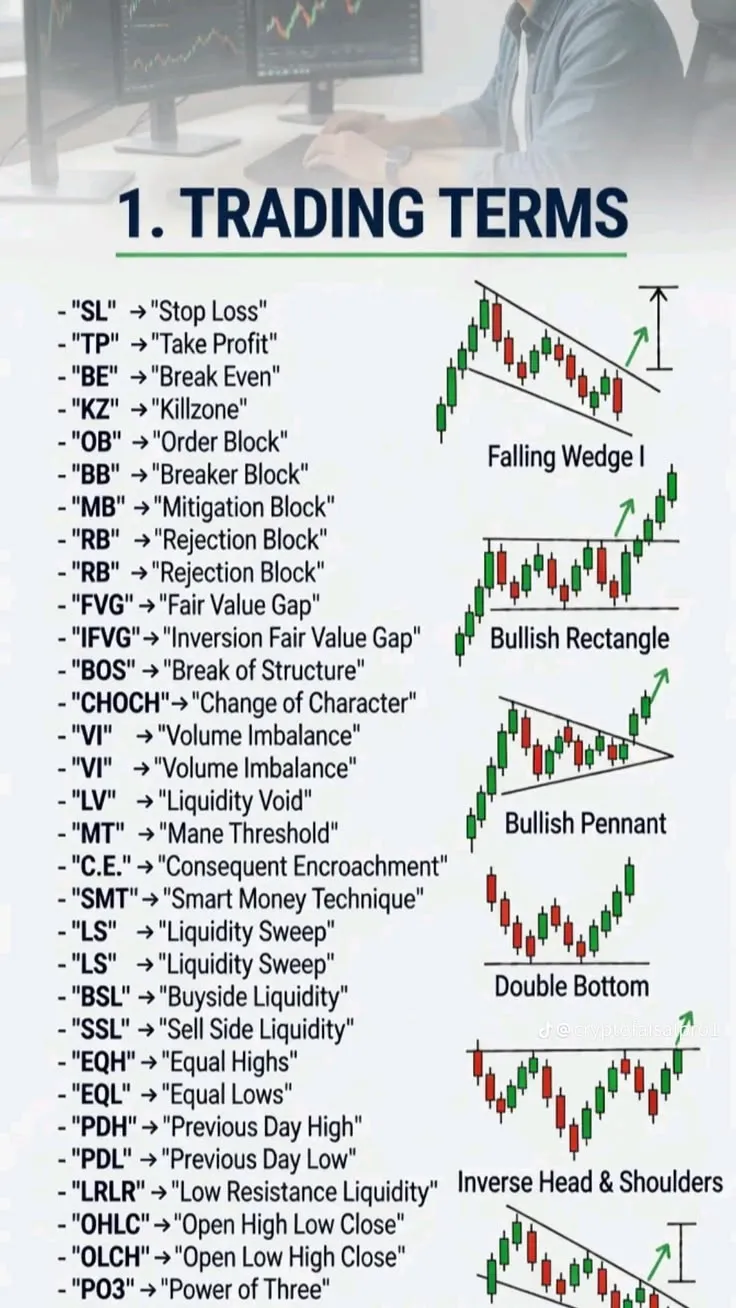
For an Indian beginner, choosing a forex platform starts with understanding both the trading process and the local regulatory context. Anyone searching for a best forex broker in india provider should avoid treating a global platform’s availability as proof of domestic authorisation. A better approach is to compare platform tools, account conditions, market access and risk controls while checking RBI and SEBI information independently. Demo practice can then be used to learn how orders, charts and position sizing work before any real-money decision is considered.
Understand What You Are Trading
Before opening a practice account, beginners should understand what they intend to trade. Forex involves currency pairs, while many international platforms also offer contracts for difference linked to metals, indices, shares or cryptocurrencies. These products do not necessarily involve ownership of the underlying asset. New traders benefit from starting with a small watchlist and learning how prices respond to economic news, liquidity and market sessions. Clear product knowledge matters because different instruments can have different volatility, spreads, margin requirements and risk characteristics.
Check Indian Regulatory Requirements
People exploring online forex trading should also check which rules apply to residents of India before funding or using any platform. RBI states that residents may undertake forex transactions only with authorised persons and, for electronic transactions, through authorised electronic trading platforms or recognised stock exchanges under the applicable framework. Beginners should therefore verify current regulatory information directly rather than relying on advertisements, social-media claims or assumptions based on a broker’s international presence. Regulatory checks should happen before account funding, not afterwards.
Use Demo Trading Properly
A demo account can provide a safer environment for learning platform mechanics because virtual funds are used instead of personal capital. Traders can practise choosing an instrument, entering position size, placing market or pending orders and applying stop-loss or take-profit instructions. The most useful practice is realistic: virtual balances and trade sizes should resemble what the user could reasonably manage later. Demo performance still has limits, because simulated trading cannot fully reproduce live execution, emotional pressure or the financial consequences of losing real money.
Build Risk Awareness Early
Risk management deserves attention from the first practice session. Beginners should decide how much virtual capital they are prepared to expose before opening a position and avoid increasing size simply after a winning trade. Leverage requires particular caution because it can magnify both gains and losses. Traders should also learn how margin, equity and available funds change as positions move. A platform can provide tools for managing exposure, but those tools only become useful when the trader follows predetermined limits and avoids impulsive adjustments.
Follow Economic Events
Indian traders should also learn how global economic events can influence currency prices. Interest-rate decisions, inflation reports, employment data and changes in market sentiment can create significant movement in major pairs. An economic calendar can help users identify when important announcements are scheduled, but it does not predict the direction of the market. Beginners can use demo sessions to observe how volatility changes around these events. This builds context and encourages preparation rather than reacting to sudden price movement without understanding what caused it.
Measure Progress Carefully
Progress should be measured by consistency rather than by a short run of simulated profits. A simple journal can record the currency pair, entry reason, position size, planned exit, outcome and whether the original rules were followed. Over several weeks, these notes may reveal patterns such as taking oversized positions, entering without confirmation or changing stops unnecessarily. A controlled losing trade can still demonstrate discipline, while a profitable impulsive trade may reinforce poor habits. Reviewing the process helps beginners identify what needs more practice.
Conclusion
Forex learning from India should combine market education, realistic demo practice, regulatory awareness and careful risk control. Beginners can include btcdana.com in their broader research, but they should independently confirm whether and how a service may be used under current Indian rules before committing funds. Forex and CFD trading can involve substantial losses, especially when leverage is used. A measured approach focused on understanding products, rules and exposure is more valuable than pursuing rapid results without sufficient preparation or a clearly defined trading plan.